About
Find out more
Why They’re Special
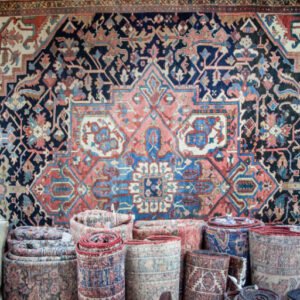
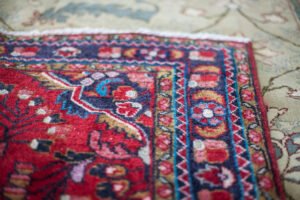
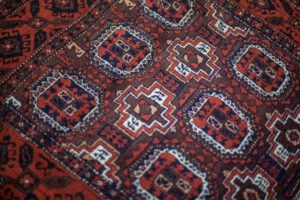
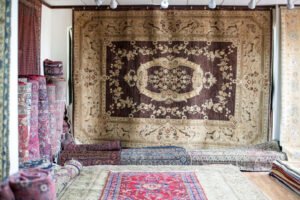
Artistry & Craftsmanship: Each rug is woven by hand, with intricate patterns that often tell stories of local customs, historical events, or cultural symbolism.
High-Quality Materials: Many Persian rugs use premium wool, silk, or a blend of both, which lends them durability and a lush feel underfoot.
Longevity & Collectibility: Thanks to their handmade nature, Persian rugs can endure for decades or even centuries if cared for properly, often becoming cherished heirlooms.
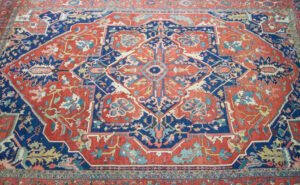
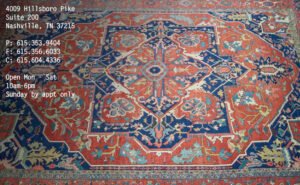
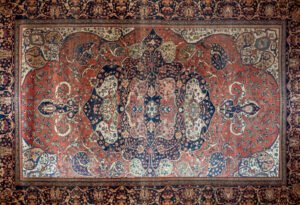
Distinctive Designs: Whether it’s bold florals, geometric motifs, or medallion-centered patterns, Persian rug designs are instantly recognizable and evoke a deep cultural heritage.
Different Types of Persian Rugs
Each region has its signature weaving style, knotting technique, and design elements. By learning about these traits, buyers can select a rug that resonates with their personal taste while also reflecting a centuries-old legacy of Persian artistry.
Tabriz: Known for their detailed floral or medallion patterns, often woven with high knot density for a refined look.
Isfahan: Usually made with high-quality wool and silk, featuring intricate central medallions and elaborate borders.
Kashan: Characterized by rich colors (like deep reds and blues) and a classic “medallion-and-corner” layout.
Qom (Ghom): Often made with pure silk, these rugs are prized for their luxurious sheen and fine knotting.
Nain: Typically feature a pale color palette—cream, beige, light blue—alongside delicate floral motifs.